Dinger's Aviation Pages
The P-47 "Thunderjug".
Putting the Pee in P-47: A Forgotten Tale of World War II.
Putting the Pee in P-47: A Forgotten Tale of World War II.
The True Origins of the "Jug" Nickname for the P-47 Thunderbolt.
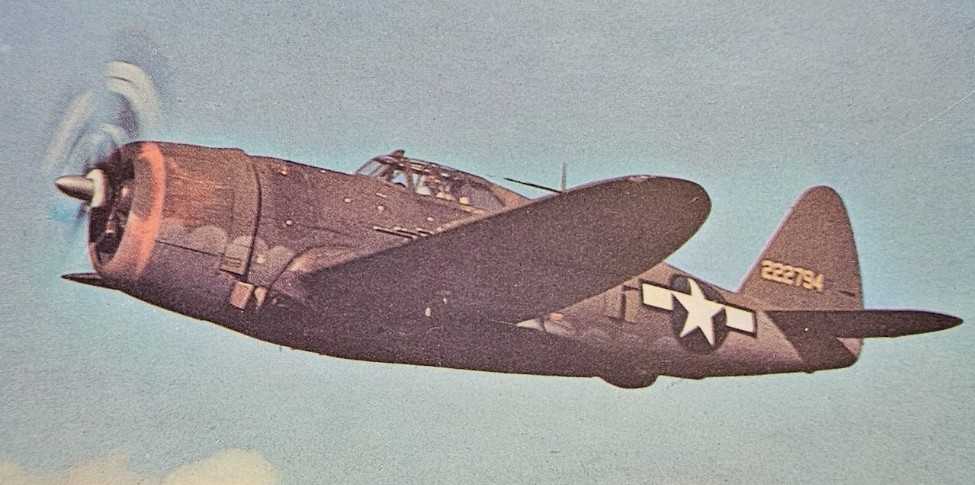
A "razorback" Republic P-47 Thunderbolt.
In any number of books that mention the mighty American Republic P-47 Thunderbolt fighter of World War II, you will be told that its nickname of "The Jug" is short for "Juggernaut", an unstoppable force derived from the name given to massive temple carts used in Hindu festivals. It seems a strange foreign derivation for the time, since it was not a word that was in widespread use in the USA and was not much used in the UK, not having yet taken on the modern British meaning of a large articulated truck or the name of a villain in Marvel comics. In fact, the nickname has an entirely different origin, more fitting to the earthy lavatorial humour of servicemen of the time. An origin seeded in the conditions they were living in during the war.
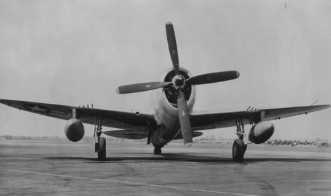
A P-47 Thunderbolt carrying underwing fuel tanks, which enabled it to roam far and wide to escort US bombers over Europe.
In Britain, up until the early 1960s, many homes did not have an inside toilet. Most cheap and medium-priced hotels would have had shared toilet facilities. Even most guest bedrooms in the large country houses of the wealthy would not have en-suite toilets; they would usually have shared WC cubicles. Thus, a chamberpot under the bed would have been a very common thing during WWII. The wealthy might have housed the pots within commodes. These commodes often housed the chamberpot within a boxed-in structure. During the Victorian period, these had acquired the nickname "thunderboxes", a term that seems to have become very popular in the British military when describing the crude commodes used in colonial service. The nickname spread to any toilet facility with a boxed-in seat, even ones with flushes. It was particularly used for outside toilets, often housed in tiny wooden sheds, where the shed itself could be called a thunderbox. The chemical toilets carried on RAF bombers and maritime patrol aircraft were also referred to as thunderboxes. The name still persists to this day in the UK and Australia, where portable chemical toilets can sometimes be referred to as thunderboxes. In fact, a composting toilet company in the UK now uses the name Thunderbox, as does an Australian outdoor toilet company.
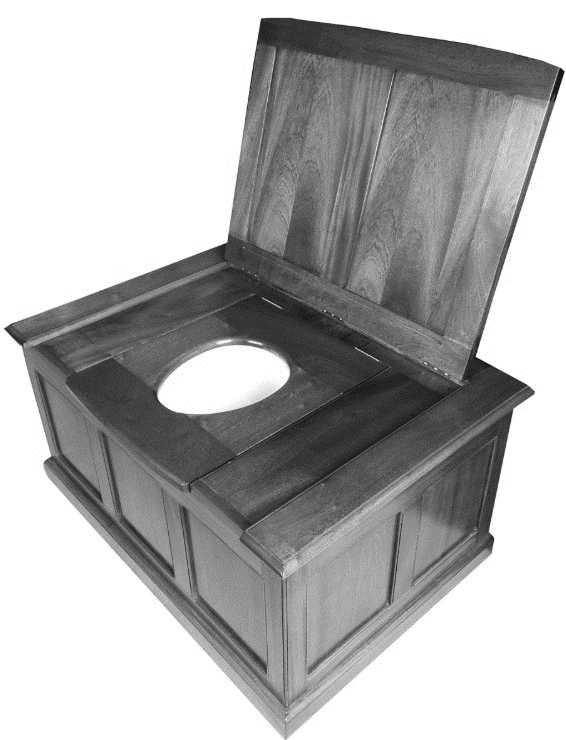
The thunderbox, in turn, spawned another nickname, this time for a chamberpot: a "thunderjug". This could be the traditional large chamberpot to hold both solids and liquids, or a smaller device just for gentlemen, just to hold liquids.
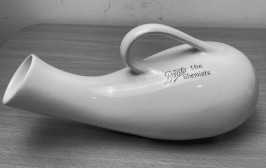
A traditional gentleman's "thunderjug", retailed by "Boots the Chemist".
When the USAAF arrived in the UK, their accommodation could be very spartan, especially for the lower-rank ground crews. They would be extremely lucky to be allocated a proper brick-built barrack room. The majority would sleep in either a WWI vintage "Armstrong"
wooden hut, or a British "Nissen" hut or the American "Quonset" equivalent. If you were unlucky, especially in the early years of US involvement in the war, you would sleep in a frame tent. None of these had toilets within their structures. You would have to walk along duckboards, sometimes a considerable distance, to an "ablutions block" where there would be toilet and washing facilities.
You can well imagine that after a night supping the potent, but warm, British beer down the local pub, or suffering the mild diuretic effects of the chicory coffee favoured in Britain at the time¹, you would not want to venture out on a wet, stormy night in the dark of the blackout to walk to the ablutions block. So, most US servicemen in this situation equipped themselves with a thunderjug to see them through the night. If they were lucky, they might acquire a proper chamberpot or maybe a cream or milk jug to fill the need, but for most it would be a more commonly available milk bottle.
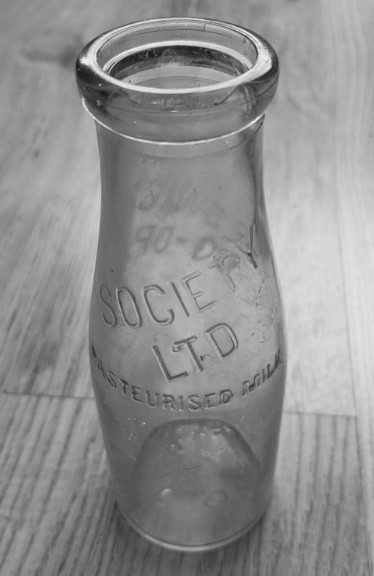
British milk bottle of the period.
So, when the P-47 arrived in the UK, it would be only a short step from associating the name Thunderbolt, with the term thunderjug, particularly as its portly fuselage was somewhat milk bottle shaped.
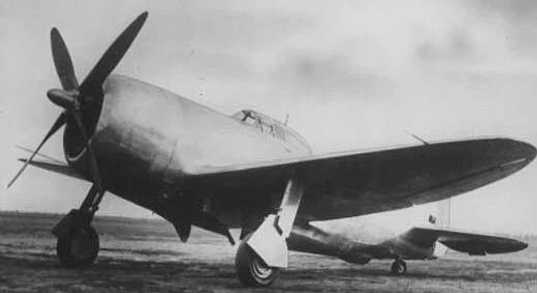
P-47, portly but deadly.
Now the Americans have a peculiar relationship with lavatorial humour. While most of the world, particularly the British and Australians, relish it, Americans love it in some male-dominated situations, but scorn it in others. A society where it was frowned on even to use the word "toilet" is unlikely to look kindly at the derivation of "jug" from an item used to contain urine. So the alternative suggestion that it derived from "juggernaut" was an easier explanation to print.
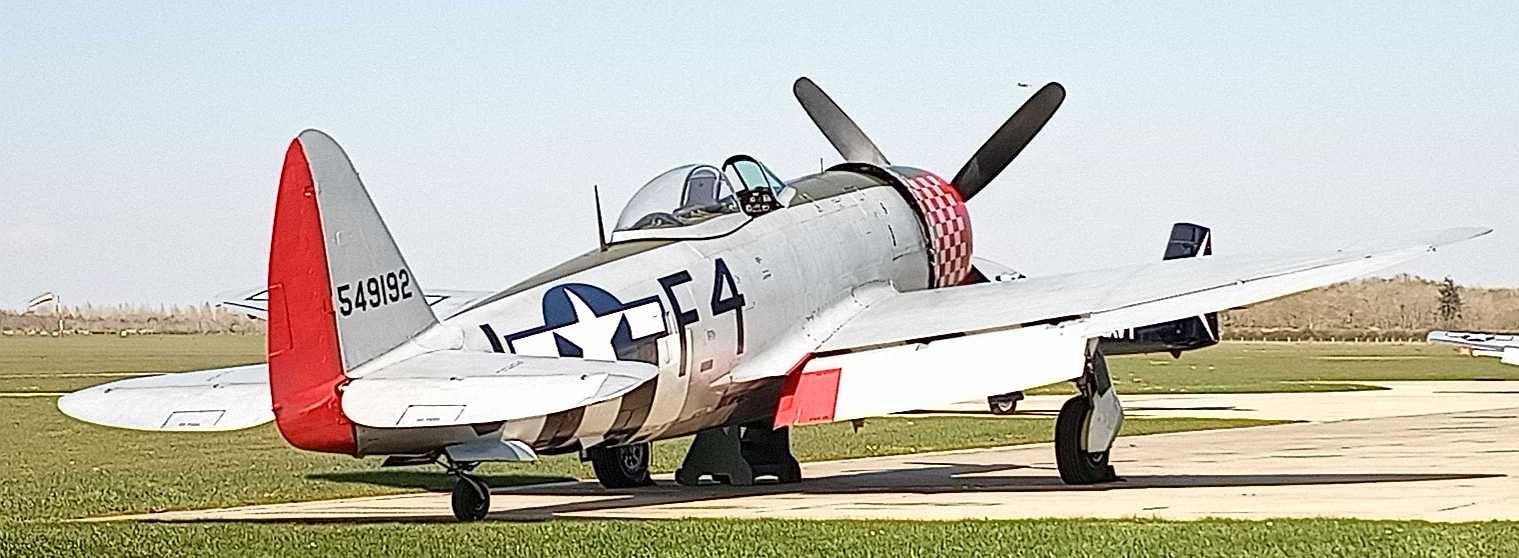
A "bubbletop" P-47 pictured at Sywell in the UK in April 2025.
Notes
¹ Coffee was an expensive item in Britain, particularly in wartime, so to make it go further, its flavour was commonly boosted with chicory. The "Camp" brand of coffee is one that still does this. Many British people of the time found "real" unadulterated coffee to be too bitter for their taste, while most Americans recoiled from their first taste of the somewhat nutty "British" coffee. The usually exaggerated, diuretic effect of drinking too much of the chicory coffee was a commonplace source of humour for British music hall audiences of the time; jokes that would go completely over the head of a modern audience. Now, of course, the British are fully converted to the continental ways of drinking coffee, and they mostly turn up their nose at the remaining chicory brands (although it still evokes nostalgic memories for a few). However, pure chicory-based drinks have become a popular item in health food shops in recent years.
Air International Magazine, July 1975 edition, page 40, where a letter from Victor Kaye, who was one of the ground crew of 112 Squadron during WWII, is quoted.

No Ads, No Cookies, No AI generated content.